Anna BURET: “Before ‘Pékin Express’, I didn’t know I had so much determination!”
06/11/2026


We catch up with Anna BURET, an IÉSEG student and the youngest winner in the history of Pékin Express (a French reality TV show where teams race across several countries with €1 per day to reach the final destination). After telling us about her adventure, she now explains how this extraordinary experience changed her outlook on life and continues to shape her student journey and future ambitions.
When you applied for Pékin Express, you had only been studying at IÉSEG for a few months, yet the school supported your decision…
I signed up for Pékin Express just a few months after joining IÉSEG, at the age of 18. At the same time, the school constantly encourages us to embrace entrepreneurship, adventure, and international experiences, and to pursue our dreams. All of those values are reflected in Pékin Express! Everyone around me encouraged me.
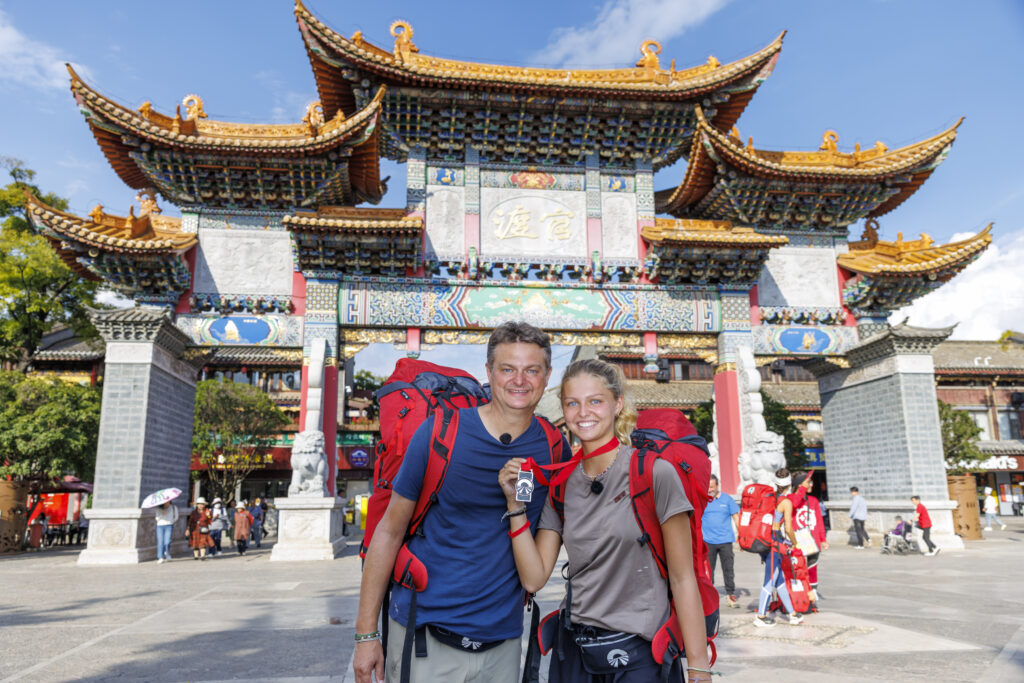
At the beginning of the application process, I had no information about the filming dates, location, or even how long it would last. Initially, I thought filming would take place the following year, but at the end of June I learned that we would be away from late August until early October, and I nearly panicked! I quickly arranged a meeting with my academic advisor, who happened to be a fan of the show. When she found out why I wanted to meet her, she strongly supported me in obtaining the school’s approval to participate—on the condition that I accepted the consequences of my departure and sat my exams upon my return like every other student.
At the time, that felt like a problem for later, so I focused entirely on the race and the adventure. What I never expected, however, was that we would win the competition, and that riots in Nepal would extend filming by several days. As a result, I had to take my first exams less than a week after returning to France! It was a harsh return to reality, and I will never thank my hardworking friends enough for sharing their notes with me and helping me get (almost) up to speed for the exams. In the end, I only had to retake one exam—Spanish. After that, I worked extremely hard to catch up during the following weeks until the end of the semester.
What was it like returning to school afterward?
When I arrived in October, I was discovering my class for the first time! I hardly knew anyone, and the other students couldn’t understand why I was arriving almost six weeks late. On top of that, I couldn’t tell them anything about the reason! It was quite difficult at first. Fortunately, I quickly rebuilt my circle of friends. There was no judgment, and once M6 started broadcasting the show, everyone understood.
Wasn’t it difficult to be welcomed by families living in extreme poverty when you had nothing to offer in return?
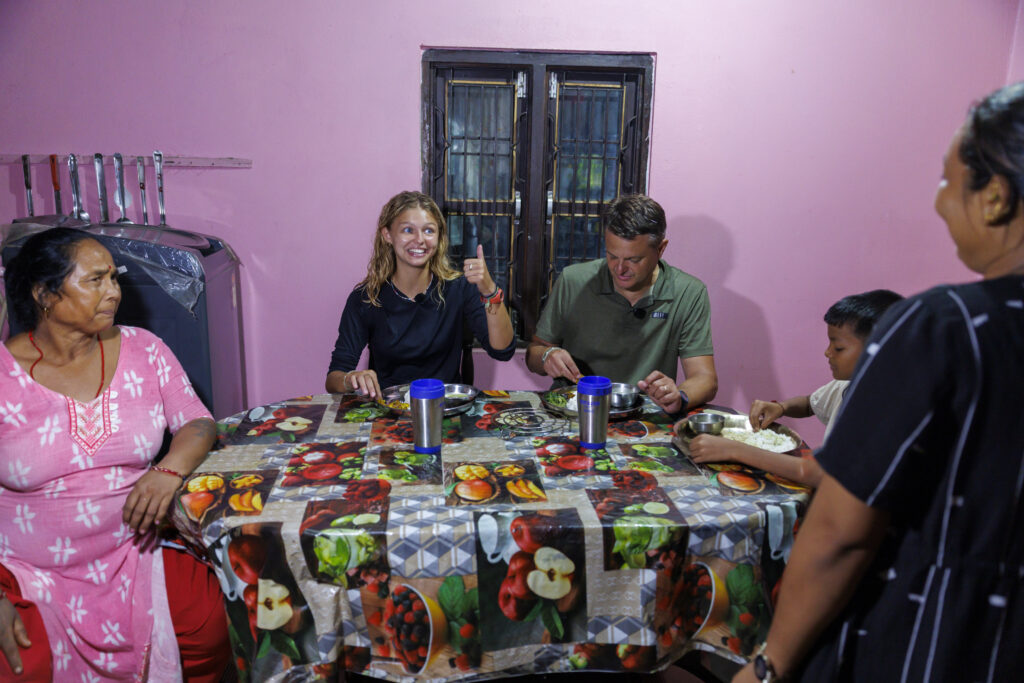
Discovering new cultures, new ways of life, and sharing experiences constantly—that’s what makes Pékin Express so enriching, and it’s exactly why I wanted to take part. We were always warmly welcomed, especially in Nepal. At first, though, it made us feel uncomfortable. We saw families who had almost nothing, yet they prepared delicious meals for us and introduced us to unexpected dishes. They kept serving us more food—it was incredible. Meanwhile, they would simply watch us eat because we were their guests, almost putting us on a pedestal. We nearly had to beg them to join us at the table so that it would truly feel like a shared meal and a shared moment.
We weren’t allowed to give them anything. I had brought a few handmade friendship bracelets and some bubbles for the children, but that was all. When you realize they don’t need much to be happy, and compare that with our own consumer habits and constant desire to buy things, it really puts your lifestyle into perspective.
Even though your father was injured, he managed to finish the adventure with you. How do you physically endure such an experience?
Of course, you need to be reasonably athletic, but I’ve never been a high-level athlete, nor has my father. Even with a knee injury, we managed to win. It isn’t really a sporting competition. You need stamina and good physical condition, but that’s not enough. Some teams were much stronger and fitter than we were. In the end, you realize that, just as in business or education, everything comes down to mindset.
You have to learn to listen to yourself, manage your emotions, and cope with the duration. Forty-five days is a very long time, which is why we never focused on the finish line. At first, our dream was simply to participate in Pékin Express. Then it became reaching Nepal, then China, then Thailand, and finally the final stage. We lived the adventure one step at a time. We set short-term goals, which were easier to manage mentally and less emotionally exhausting.
If physical strength wasn’t the deciding factor, what made you stand out from the other teams?
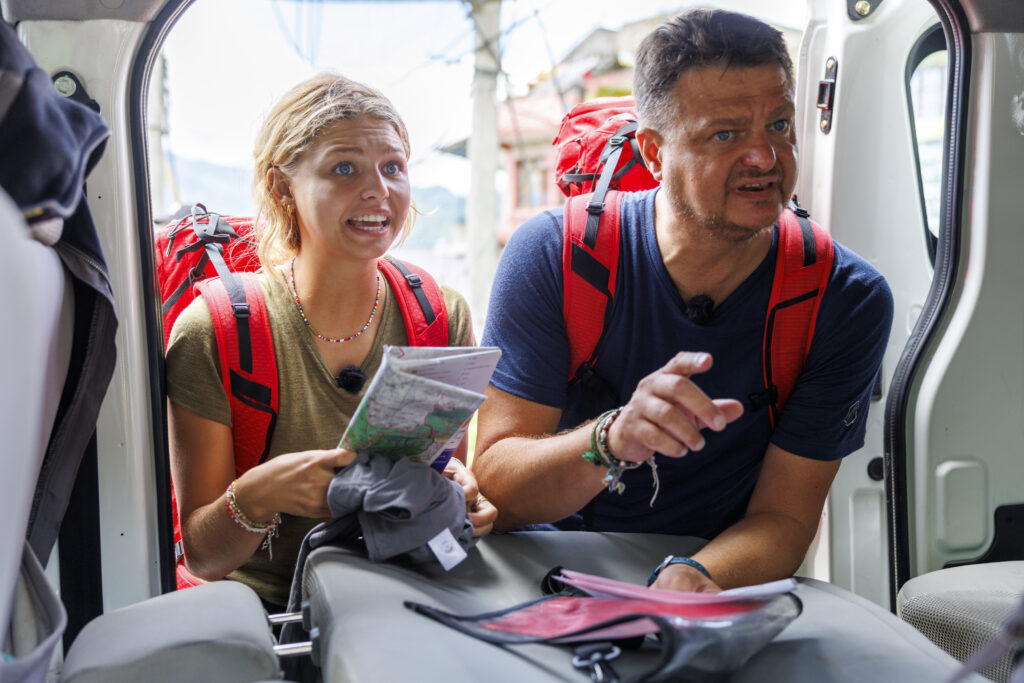
My father and I stayed very calm throughout the adventure. We aren’t impulsive people. We weren’t shouting all the time like some other teams. In Pékin Express, you are under constant stress, but when you’re trying to hitchhike and find a car, staying calm is absolutely essential. Learning to manage stress was one of the greatest lessons from this experience. For me, stress has always been linked to determination, but sometimes panic can take over. Fortunately, my father is older and knows how to step back and gain perspective. That was invaluable.
We were also a very balanced team, even if television didn’t always show that. The production often portrayed me as the one carrying the team with my energy, but I owe so much to my father. Without him, I never would have made it to the end. Whenever I had difficult moments—and everyone experiences them during such an adventure—my father always found a way to motivate me. We weren’t stronger than the others. But we had a balance that allowed us to succeed and go far together.
Knowing how to work with your teammate, learning to live together, and managing your relationship with your father – was it also a key factor in succeeding?
Absolutely! Learning how to communicate effectively and listen to each other was our greatest strength. Before leaving, we made up a code word: “cracotte.” If either of us said it, it meant we had reached our limit and needed to stop immediately, calm down, and listen to each other. In the end, we never even needed to use it. Of course, we occasionally argued, especially when my father lost the map and we wasted two hours by the side of the road. But you quickly realize that getting angry solves nothing except wasting even more time. So I would take a moment, get some fresh air, calm down, and then we would keep going.
Another source of lost time is decision-making. Did Pékin Express teach you how to make the right decisions quickly?
We didn’t always agree on everything, but once again, communication and listening were crucial. In Pékin Express, arguments cost time, yet stress makes it difficult to make the right decisions. Fortunately, my father’s ability to remain calm helped enormously. He understood that his 18-year-old daughter was living her dream and was under tremendous pressure.
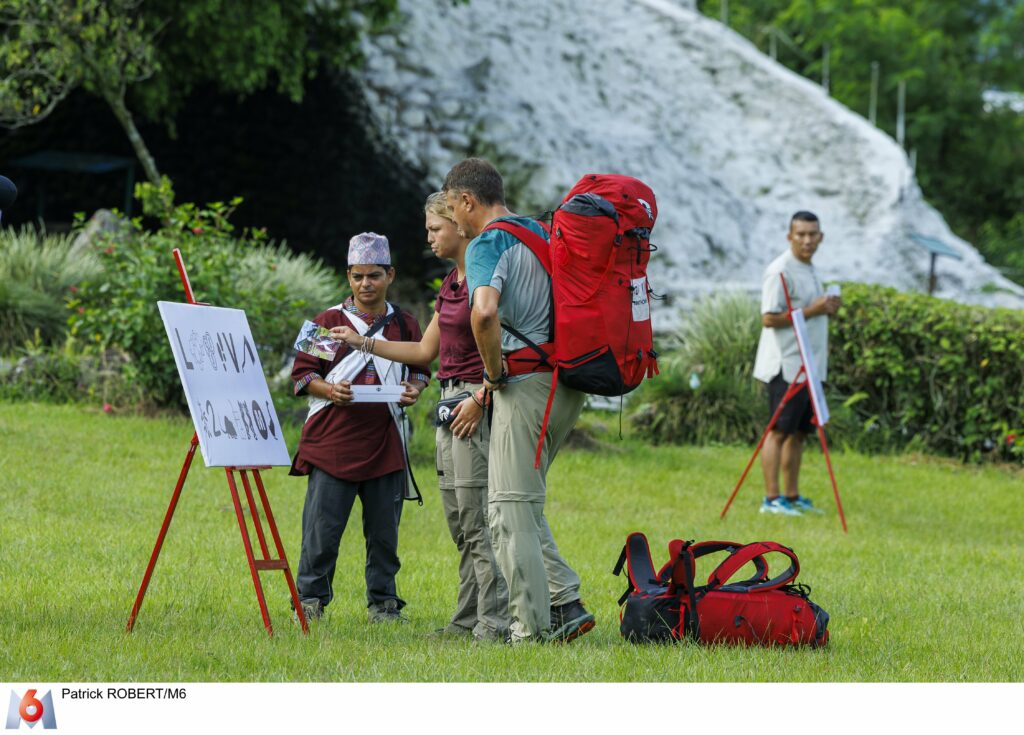
Making decisions is difficult for me. I’m a Libra—I like to weigh the pros and cons carefully. Making quick decisions under stress was a real challenge for both of us. In the final, we were stuck in traffic in Bangkok, looking at each other without knowing what to do. Should we get out of the vehicle or stay? It sounds trivial, but those moments of indecision can determine whether you win or lose Pékin Express.
What skills developed at IÉSEG helped you during this adventure?
It wasn’t so much the courses themselves but rather the school’s mindset. The emphasis on international openness, meeting different cultures, and learning how to connect with people from diverse backgrounds was incredibly valuable.
In Pékin Express, everything comes down to management and negotiation. When you get into a car and tell the driver, “Just five minutes and a few kilometers,” you obviously hope they’ll take you much farther. So you build a connection, engage in conversation, and try to persuade them to help you go further.
Through Pékin Express, I learned the importance of human contact and non-verbal communication. I love talking, but I now understand much better why group presentations are so important. Good posture, appropriate gestures, eye contact, and body language matter tremendously. Stéphane ROTENBERG once explained why some teams were better at hitchhiking than others. One day, after observing them, he realized that everything came down to eye contact. Now I know that in my future professional life, when negotiating with a director, client, or supplier, posture and eye contact will be just as important as the content of my message.
What did Pékin Express teach you about yourself?
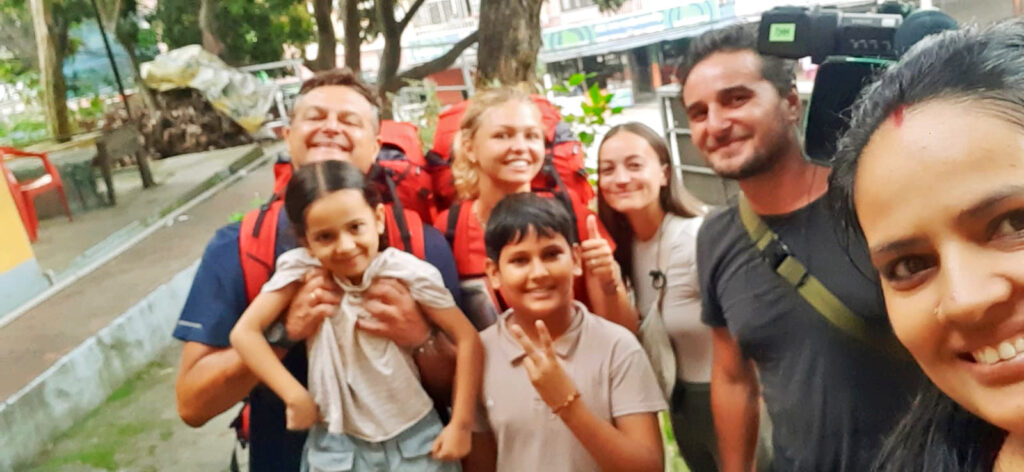
First, I discovered that I possess far more determination than I ever imagined. My determination was like a flame that stayed with me throughout the adventure. When I truly care about a goal, I am willing to do everything—within the rules—to achieve it.
I also discovered that my greatest opponent is myself. I’m highly competitive with myself. If you asked me to race someone tomorrow, it wouldn’t necessarily motivate me. What drives me is setting ambitious goals. In my future career, I’ll need objectives that genuinely matter to me, in a field and environment that I enjoy, because I know I’m capable of giving my all under those conditions.
Has Pékin Express changed the way you see the future?
Today, I still don’t know exactly which sector or profession I want to pursue. I’m not even 20 years old and only in my second year of studies. What I do know, however, is that after Pékin Express, I want to work for something meaningful. I want to be part of an organization that shares the values I believe in and allows me to stay connected with people.
How did Pékin Express change your view of society?
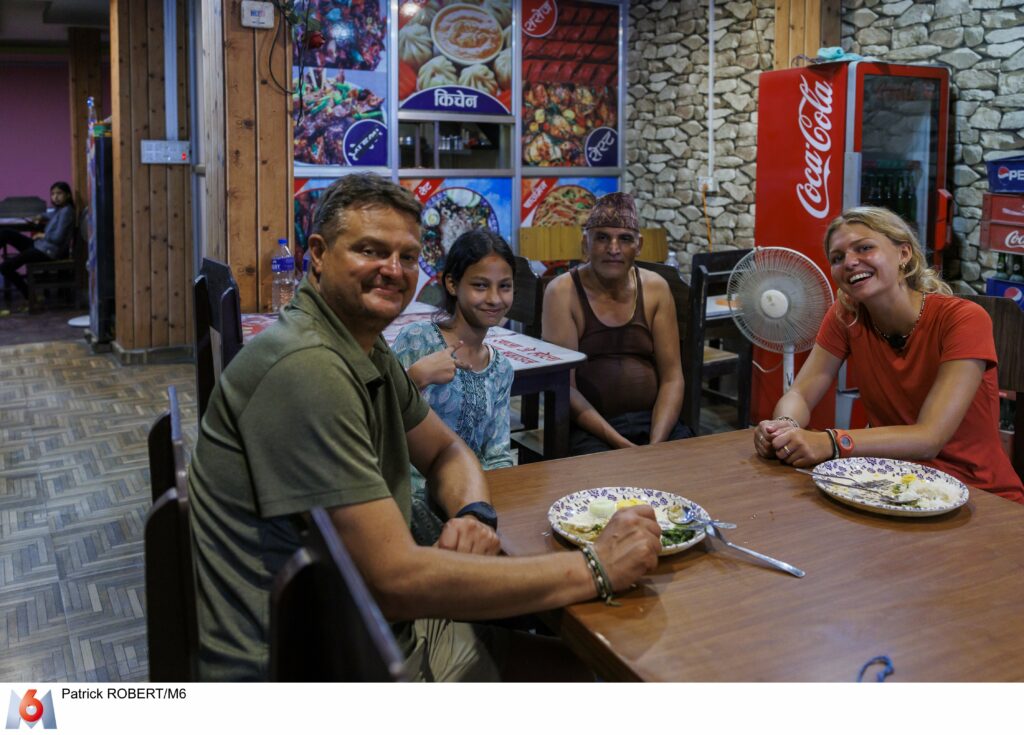
The experience made me reflect deeply on the way we live and consume. You don’t come back unchanged after meeting people who live in extreme poverty.
I was raised with strong family values and a belief in the importance of human connections. I was never particularly materialistic, and I’m even less so today. Most importantly, I never realized how much happiness can come from the love we give and receive. Before, I used to think: “Money doesn’t buy happiness, but it certainly helps.” Today, after seeing these families, I understand that love alone can genuinely create happiness.
Finally, Pékin Express made me realize that the only goal truly worth pursuing in life is happiness. I would rather have a lower-paying job that fulfills me than a higher-paying one that doesn’t.
Finally, what advice would you give to a student who is afraid to take the leap?
Go for it! Of course it’s difficult, but if we never dare, we’ll never achieve anything in life. For us, the experience exceeded all expectations. But even if we hadn’t won, it would still have been worth it. Even if we had completed only one stage—or even just the interviews in Paris—it would already have been an incredible adventure.
To experience such intense moments of satisfaction and pure happiness, you need to step outside your comfort zone and push yourself. We’re still young, we’re students, and we don’t yet have many responsibilities—no family to support, no established career. So what’s stopping us from pursuing the dreams that truly matter to us?