Testimonial

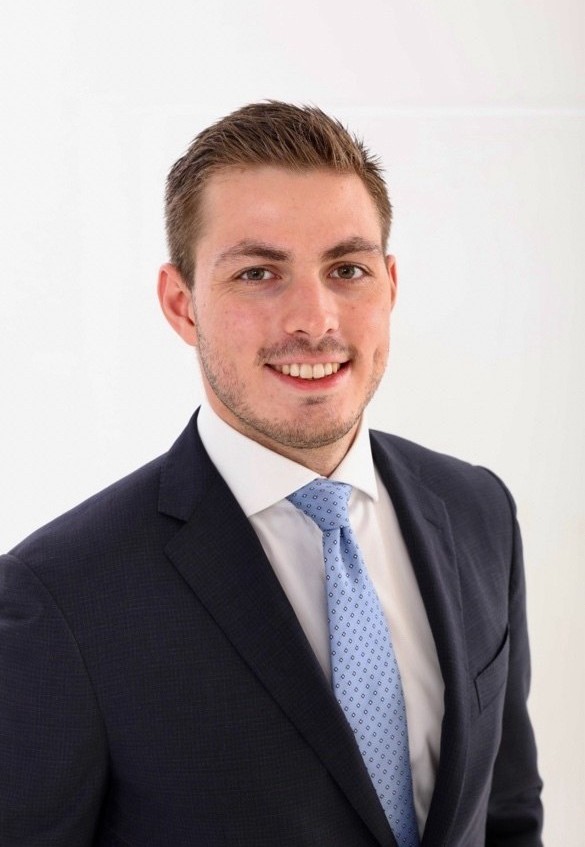
Atharva DESAI
Master in Finance, 2024
Risk Management, Persistent Systems
India
The Master in Finance at IÉSEG instilled in me three major lessons that continue to shape how I work and learn today. First, the discipline of hard work and deep focus, developed through an intense schedule of four-hour lectures, condensed one-week courses, multiple weekly assignments, and final exams every Monday. Secondly, the importance of multicultural communication and teamwork, which became second nature through collaboration with classmates from diverse backgrounds. Finally, the mindset of always asking “why?” in order to challenge assumptions, deepen understanding, and build solutions; knowing the “why” has often been key to finding alternative and creative approaches when facing difficulties.
Several courses had a lasting impact on me. I particularly enjoyed International Finance, as it connected theory with real-world decision-making. We studied exchange rate dynamics, capital flows, and practical hedging tools such as forwards, options, and derivatives. This balance between macro-level understanding and applied tools gave me a strong foundation for thinking about risk in global markets and supply chains.
Econometrics was another highlight, focused on the rigorous application of models to financial and economic data. We worked on time series, panel data methods, regression analysis, and forecasting tools using real datasets. Beyond hypothesis testing and relationship analysis, I also learned to apply econometrics to scenario analysis and stress testing, which directly informed my thesis and now shape my approach to research and risk analysis.
Another key experience was a structured company analysis project across three courses. We followed two companies—one under IFRS and one under GAAP—through Accounting, Reporting, and Valuation modules. We examined accounting differences, financial disclosures, ratios, and cross-border comparability, before applying valuation methods ranging from relative valuation to discounted cash flow models, including sensitivity and scenario analysis. This continuity gave a comprehensive understanding of firm valuation across regulatory environments.
The combination of International Finance, Econometrics, and Python equipped me with both theoretical knowledge and technical skills to design my Master’s thesis. I combined econometric methods with machine learning techniques to address an original research question. IÉSEG provided access to computer labs, databases such as Refinitiv and Bloomberg, and continuous one-on-one supervision. The thesis involved advanced modelling, data collection, OSINT-driven approaches, and scenario-based forecasting within broader geopolitical and economic contexts.
Overall, the Master in Finance prepared me both technically and personally. On the technical side, it provided industry-ready skills in financial modelling, valuation, accounting, and credit and market risk management. On the personal side, it strengthened my work ethic, research mindset, and persistence. It also opened my interest in quantifying risks and uncertainties, machine learning, AI, scenario analysis, and OSINT methods. The Master in Finance was a transformative experience that gave me the tools and mindset to pursue ambitious academic and professional goals.
Published on: October 7, 2025